School Goal Two
To grow students’ abilities to effectively communicate with others, with a focus on literacy communication skills.
Through school-wide consistency, local teachings of the W̱SÁNEĆ peoples, and a lens of equity, how will a school-wide SEL approach targeting communication and language learning opportunities impact student achievement in literacy?
- We are a language-rich, dual track English and French Immersion school. Both programs celebrate our school-wide focus on developing students’ language skills: reading, writing, listening, and speaking.
- Our school data indicates that there are learning opportunities where we can improve students’ social communication and thinking communication skills particularly within literacy;
- We recognize the link between students’ social-emotional learning skills, engagement with others and with learning, and student success at school. Research shows that a focus on social-emotional learning helps meet the diverse needs of students;
- We value and include all students. In a supportive, authentic environment, students are empowered to be true to self and the best versions of themselves;
- We are committed to open, honest, and respectful communication, character development, global learning, social justice, environmental sustainability and emotional wellbeing;
- All students communicate. As such, a communication goal is inclusive for all students, staff, and programs: English French Immersion, ELL, ESL, SENĆOŦEN, FSL;
- We know that strong student achievement and social skills stem from students’ abilities, confidence, and willingness to engage with language and communicate needs, wants, feelings, and thoughts in social settings. This core competency - effective communication - is about effective meaning making in social settings; and
- Staff strive to create thoughtful, purposeful, and intentional learning opportunities, which lead to successful student experiences, growth, and results;
This goal and focused inquiry question aligns directly to the district strategic priority Literacy and Mental Health and Well-being. Additionally, our intended approaches are deeply connected to First Peoples Principles of Learning.

First Peoples Principles of Learning

The Communication Skills Goal needs to ensure that:
- Learning is holistic, reflexive, reflective, experiential, and relational (focused on connectedness, on reciprocal relationships, and a sense of place).
- Learning is embedded in memory, history, and story.
Over the course of the year, the following will be our direct areas of focus:
- Continue to collaborate with staff and students regarding ways to ensure students feel connected and have a sense of belonging in their school (student leadership opportunities, assemblies, school-wide events, lunch social and play groups, etc.);
- Implement common SEL language school-wide and have a shared set of Deep Cove Beliefs and Values that all students and staff can relate to and rely on;
- Integrate school-based counsellor into school planning process and enhance collaboration between their work with classes and school goals/plan;
- School based counsellor facilities structured lessons on social emotional regulation and problem solving;
- Ensure school goal is reflected in school budget priorities;
- Explicit teaching of conflict resolution, and communication skills, school-wide;
- Continue investments in early literacy resources, such as decodable books, teacher guides/resources (UFLI, Heggerty, etc.), and other tools that enhance literacy instruction
- Connect literacy efforts to school work around anti-racism and reconciliation, by investing in literacy resources (i.e. decodable books, read alouds) that feature stories and voices of BIPOC authors and allows our all our students to see themselves in the literacy resources they engage with;
- Engaging with data (student surveys, report cards, FSA, DLA) as a method of quantitatively reflecting on student growth and using the data to ensure equitable supports are provided to students and that instruction is informed by data;
- Engaging with students and families in conversation and listening as a method of qualitatively measuring students growth in the realms of communication, literacy, and social emotional learning;
- Provide regular school updates to parents on goal progress and activities, and how parents can support learning;
- Multi-Day Literacy (Oral Language, Writing, Reading) learning series over the course of the year, with 100% of Deep Cove teachers from Kindergarten to Grade 3 participating;
- Multi-Day Literacy (Oral Language, Writing, Reading) professional development series for grade 4 and 5 French Immersion teachers, focused on supporting intermediate French Immersion students with foundational literacy skills in English.


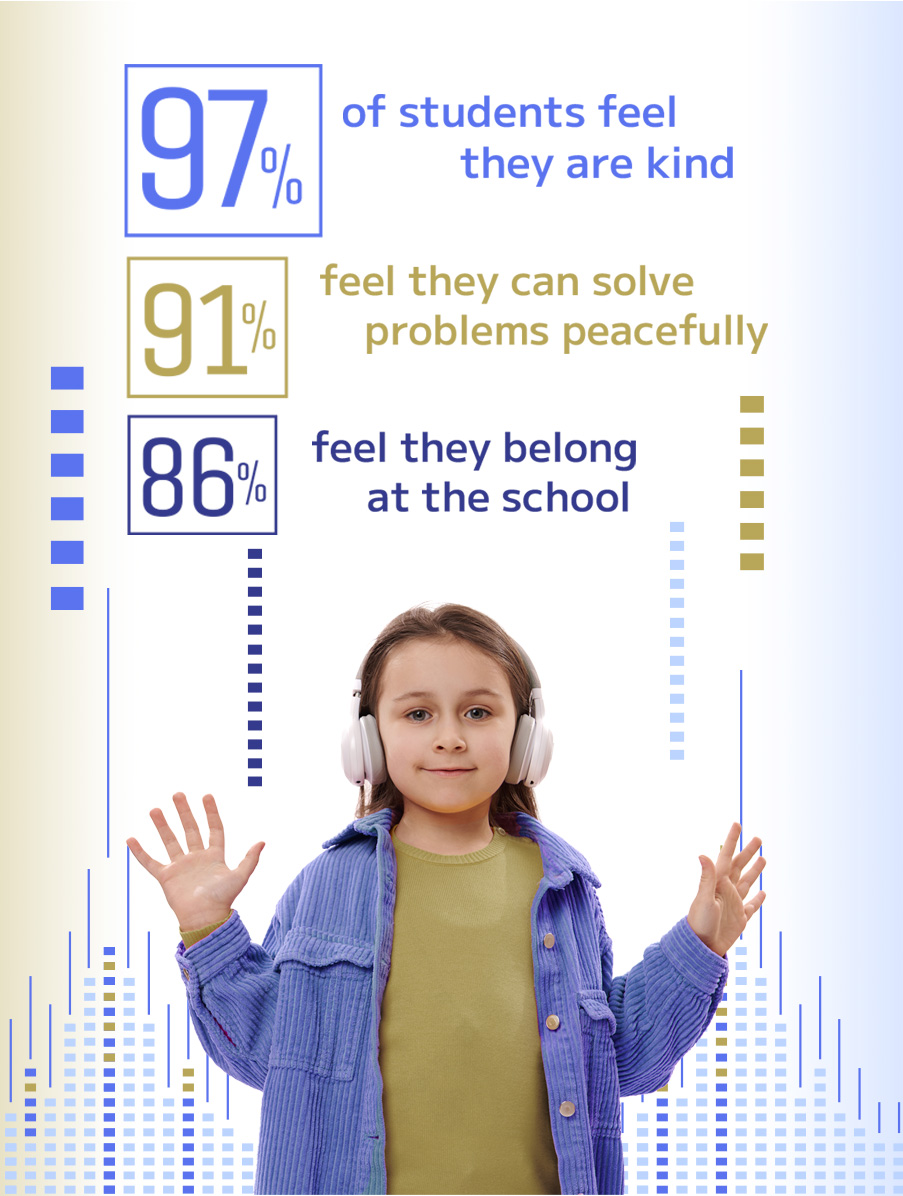
Over the past school year and coming years, we track progress on our initiatives identified in this year’s plan. And, specifically the following will be key elements:
- Learning Takes Patience and Time;
- Student Self Reflections;
- Foundational Skills Assessment (FSA);
- District Literacy Assessment, in both English and French;
- Observations and evidence from staff and families;
- School based inclusive education and school based team meeting;
- Assessments and Feedback from Speech and Language Pathologist;
- Feedback from District and School Based counselling team;
- Engagement Data: OurSCHOOL Survey;
- Inclusive Classroom Planning
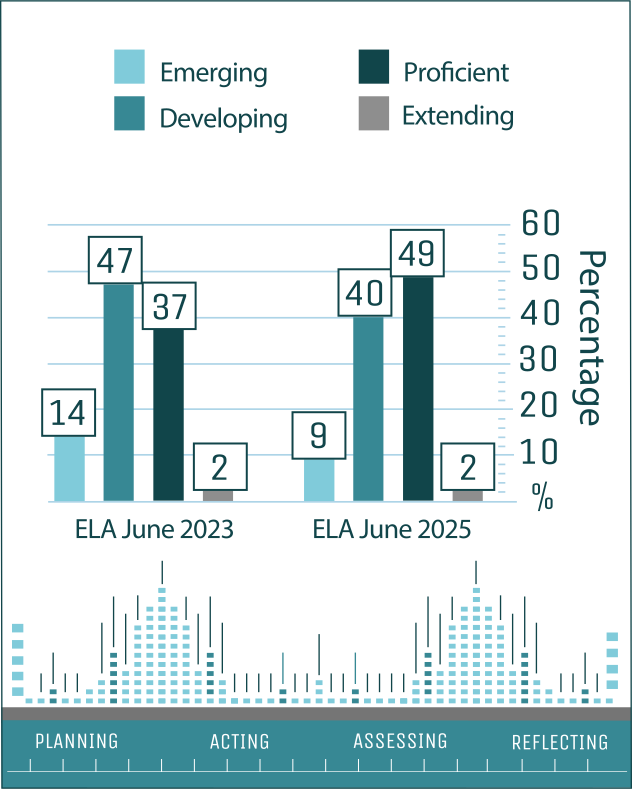
Report Card Results for English Language Arts over Past Years (Term 3 Final Grade)
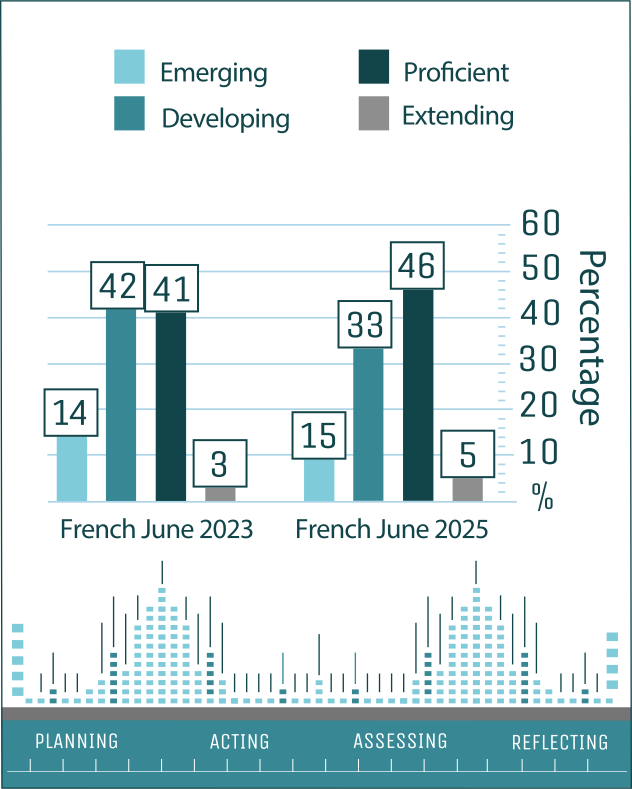
Report Card Results for French Language Arts over Past Years (Term 3 Final Grade)
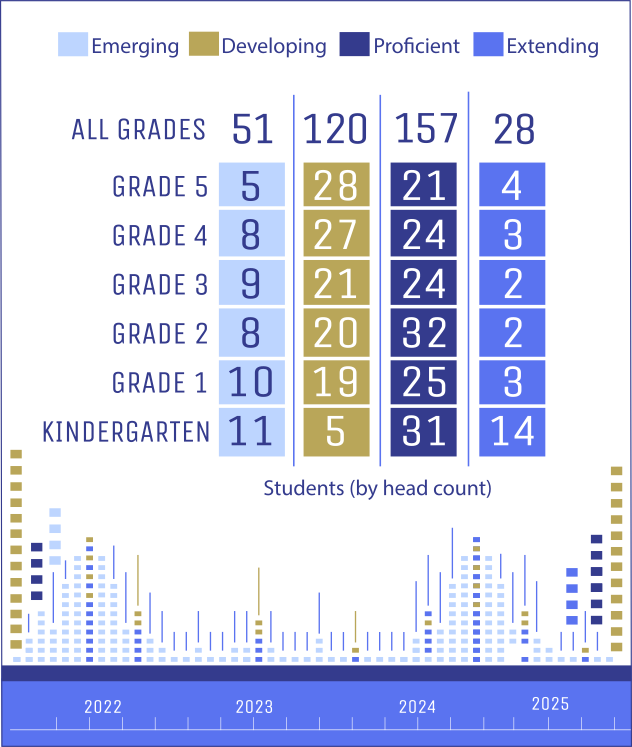
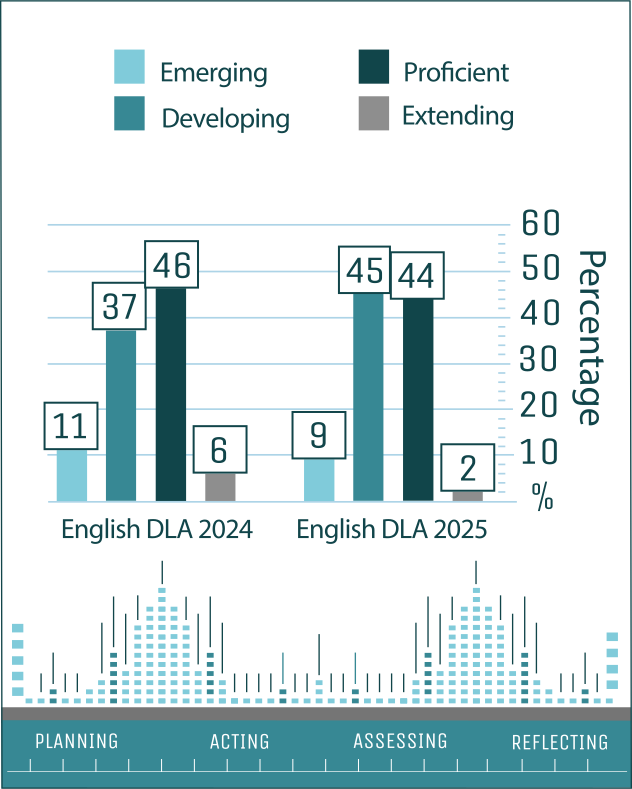
Results of District Literacy Assessment (DLA - English) over Past Years (Assessed in June)
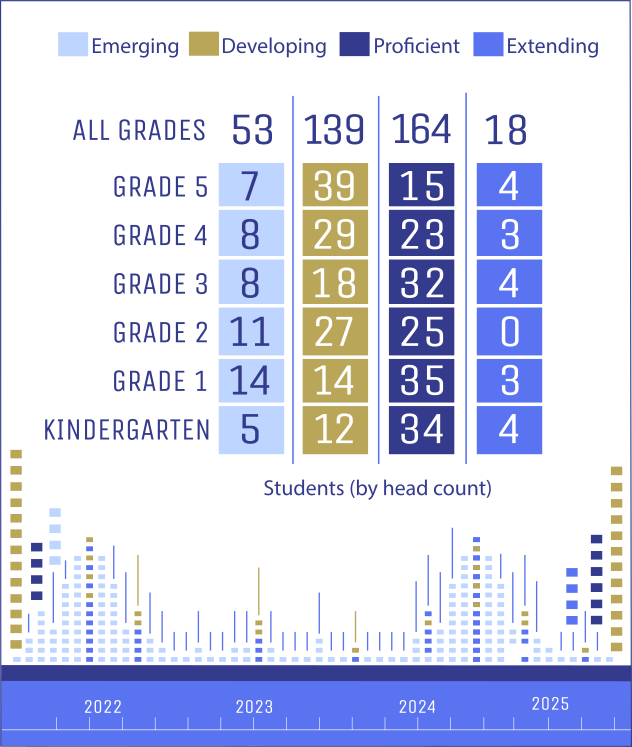
Results of District Literacy Assessment (DLA - French) over Past Years (Assessed in June)
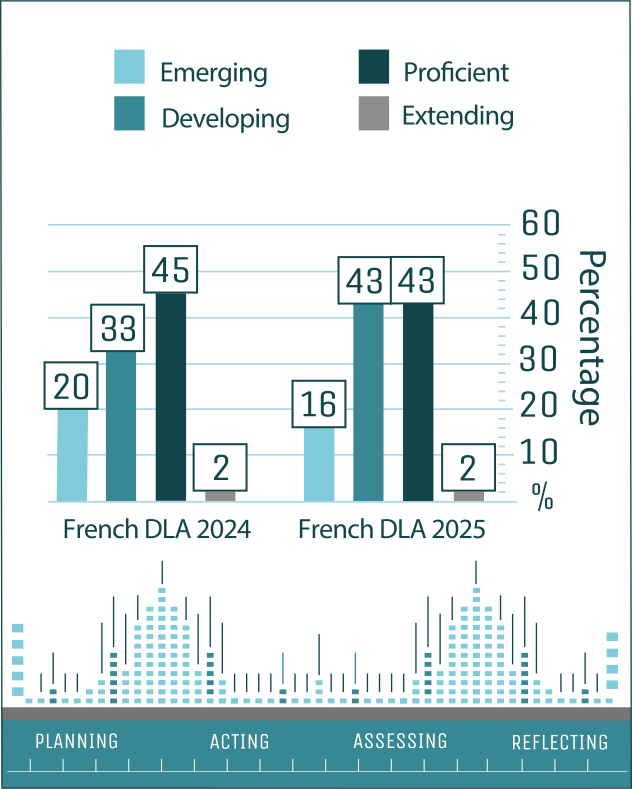
This data confirms our teachers and students reflections that there is overall growth in literacy skills over the past two years, especially in English and amongst students at an emerging level of their literacy skill development. The data also shows that we must maintain our focus on foundational literacy skill development of students in French Immersion.
Summary learning, based on evidence gathered over the year, will provide us with key learnings to guide next steps for the 2024-25 school year and beyond.